Blog
Residential Window Film in Gauteng | The Complete Homeowner’s Guide
Residential Window Film in Gauteng: The Complete Homeowner’s Guide to a Cooler, More Comfortable Home
Introduction
If you’ve lived through a Gauteng summer, you’ll know that not every room in your home feels the same. One side of the house might stay pleasantly cool throughout the day, while another becomes almost unbearable by mid-afternoon. Large windows that fill your home with natural light can also become one of the biggest sources of unwanted heat, glare and fading.
Many homeowners assume the answer is to install heavier curtains, keep the blinds closed or run the air conditioner for longer. While these options may offer temporary relief, they don’t address the real source of the problem: the amount of solar energy passing through untreated glass.
Residential window film is designed to change how your windows perform. Rather than replacing the glass, specialised films are professionally applied to the inside surface of existing windows to help reduce heat, minimise glare, block harmful ultraviolet (UV) rays and, depending on the product selected, improve privacy and safety.
For many homeowners, it’s one of the simplest ways to make living spaces more comfortable without changing the look of the home or relying on expensive renovations.
Whether you’re trying to cool a west-facing lounge, create more privacy from neighbouring properties, protect timber flooring from fading or simply make your home more comfortable throughout the year, choosing the right window film starts with understanding how it works and which solution is best suited to your home.
This guide has been created specifically for homeowners across Gauteng. We’ll explain how residential window film works, the different types available, where it performs best and what you should know before making a decision.
Why Homes in Gauteng Often Experience Excessive Heat
Gauteng enjoys more than 2,500 hours of sunshine every year. While that contributes to bright, comfortable living spaces during winter, it can also create significant heat gain inside homes during the warmer months.
Modern residential design has increasingly embraced large windows, stacking doors and expansive glass panels. These features maximise natural light and create an open, contemporary feel, but they also allow far more solar energy into the home than many people realise.
It’s not unusual for homeowners to notice that certain rooms become uncomfortable long before the outside temperature reaches its peak. West-facing lounges often absorb intense afternoon sun, while upstairs bedrooms with large windows can remain warm well into the evening. Home offices may suffer from persistent screen glare, making it difficult to work comfortably during the day.
Many people respond by closing curtains, lowering blinds or increasing air conditioner use. While these measures can help temporarily, they also reduce natural light or increase electricity consumption without addressing the underlying cause.
Professionally installed residential window film helps manage the amount of solar energy entering through the glass. Depending on the product selected, it can reduce solar heat gain, limit glare and block the majority of harmful UV rays while still allowing natural daylight into your home.
Rather than making your house darker, the goal is to make it noticeably more comfortable throughout the day.
What Is Residential Window Film?
Residential window film is a thin, high-performance polyester material that is professionally applied to existing window glass. Although it is only a fraction of a millimetre thick, modern window films are engineered to improve the performance of ordinary glass without replacing the window itself.
Different products are designed for different purposes. Some films focus on reducing heat, while others prioritise privacy, UV protection, decorative finishes or additional safety. Selecting the right product depends on how the space is used, the orientation of the windows and the specific challenges you’re trying to solve.
Unlike temporary DIY films available in many retail stores, professionally installed architectural window films are designed for long-term performance. When correctly selected and installed, they provide a clean, seamless appearance while continuing to perform effectively for many years.
One of the biggest misconceptions is that window film is simply “dark tint”. Modern architectural films are available in a wide range of finishes, from almost invisible solar control films to elegant frosted privacy films and decorative options that complement modern interior design. Many homeowners are surprised to learn that some of the highest-performing heat rejection films remain remarkably clear, preserving views while improving comfort.
How Residential Window Film Works
To understand why window film is effective, it helps to understand what happens when sunlight reaches your windows.
Sunlight is made up of three primary components:
- Visible light, which allows us to see and brightens our living spaces.
- Infrared energy, which is responsible for much of the heat you feel from direct sunlight.
- Ultraviolet (UV) radiation, which contributes to the fading of furniture, flooring, artwork and fabrics over time.
Standard glass allows a significant amount of this solar energy to enter your home. As sunlight passes through the glass, surfaces inside the room absorb that energy and release it as heat. This is why rooms with large windows often become noticeably warmer than other parts of the house.
Residential window film is engineered to alter this process. Depending on the product selected, the film can reflect, absorb or filter portions of the sun’s energy before it contributes to indoor heat build-up. High-quality films can also block the vast majority of UV radiation, helping to protect furnishings and interior finishes from premature fading.
The result is a home that feels more comfortable throughout the day, with reduced glare and improved protection from the effects of prolonged sun exposure.
The Benefits of Residential Window Film
For most homeowners, the decision to install residential window film isn’t about changing the appearance of their windows. It’s about solving everyday problems that affect comfort, privacy and the way they use their home.
Some want to reduce the intense afternoon heat in a particular room. Others are looking for more privacy without closing curtains all day. Many simply want to protect expensive flooring, furniture and artwork from years of sun exposure.
The right window film can address several of these concerns at the same time, making it one of the most practical improvements you can make to existing windows.
Enjoy a Cooler Home During Gauteng Summers
One of the most common reasons homeowners consider window film is because certain rooms become uncomfortably warm during the day.
In many Gauteng homes, west-facing lounges, open-plan living areas and upstairs bedrooms receive hours of direct afternoon sunlight. While natural light is desirable, it also brings significant solar heat through untreated glass.
Many people assume their air conditioner isn’t powerful enough, when in reality the room is constantly gaining heat through the windows.
Professionally selected solar control window film helps reduce the amount of solar heat entering the room, making the space noticeably more comfortable. While no window film can eliminate heat completely, it can make a significant difference in how quickly a room heats up and how comfortable it feels throughout the day.
For homeowners who prefer to rely less on air conditioning, this can also help reduce unnecessary energy use while improving everyday comfort.
Reduce Harsh Glare Without Closing the Curtains
Natural light is one of the biggest advantages of modern homes, but too much direct sunlight often creates uncomfortable glare.
You may recognise situations like these:
- Watching television becomes difficult during the afternoon.
- Computer screens are hard to see in a home office.
- Family members constantly adjust blinds throughout the day.
- Bright reflections make dining or relaxing uncomfortable.
Closing curtains solves the glare problem but also blocks the daylight that makes a room feel open and inviting.
The right window film helps soften harsh sunlight while still allowing natural light into your home. Instead of living behind closed curtains, you can enjoy a brighter, more comfortable living space with fewer distractions from glare.
Help Protect Furniture, Flooring and Décor from UV Damage
Sunlight doesn’t only make rooms warmer. Over time, it can also cause gradual damage to the finishes inside your home.
Many homeowners first notice fading on:
- Timber flooring
- Leather furniture
- Fabric couches
- Rugs
- Curtains
- Family photographs
- Artwork
- Kitchen cabinetry
This fading is caused primarily by ultraviolet (UV) radiation, although heat and visible light also contribute over time.
High-quality residential window film blocks the vast majority of harmful UV rays before they enter your home. While no product can completely prevent natural ageing, reducing UV exposure helps preserve the appearance of valuable furnishings for much longer.
For homeowners who have invested in quality interiors, this added protection can be just as valuable as improved comfort.
Improve Privacy Without Making Your Home Feel Closed Off
Privacy is important, especially in suburbs where homes are built closer together or where large street-facing windows are part of the design.
Many homeowners want more privacy but don’t want to keep blinds or curtains closed throughout the day.
Depending on your needs, different types of residential window film can provide:
- Increased daytime privacy
- Frosted finishes for bathrooms
- Decorative privacy for entrance areas
- Elegant solutions for sidelights and feature windows
It’s important to understand that not all privacy films work the same way. For example, reflective films may provide excellent daytime privacy but become less effective at night when interior lights are on.
Choosing the correct product depends on how the room is used and what level of privacy you expect.
Make Your Home More Comfortable Throughout the Year
Comfort isn’t only about temperature.
It’s about how enjoyable each room feels during everyday life.
When heat, glare and harsh sunlight are reduced, many homeowners notice they naturally use certain spaces more often.
A lounge that previously became uncomfortable after lunch becomes a place where the family spends the afternoon.
A home office becomes easier to work in.
Bedrooms remain more comfortable into the evening.
Rather than constantly adjusting curtains or moving away from sunny windows, the entire room feels more balanced throughout the day.
These improvements may seem subtle individually, but together they can change the way a home is experienced.
Maintain the Appearance of Your Home
One concern some homeowners have is that window film will make their house look dark or give the glass a mirrored appearance.
Modern residential window films are available in a wide range of finishes, from virtually clear solar control films to lightly tinted, reflective, frosted and decorative options.
The right product should complement your home’s design rather than dominate it.
A professional assessment helps ensure the selected film provides the performance you need while maintaining the look of your property.
Is Residential Window Film Right for Every Home?
The honest answer is not always.
That’s an important point because every property is different.
A home surrounded by mature trees with limited direct sun may have very different requirements to a modern house with floor-to-ceiling west-facing glazing.
Similarly, a homeowner looking for additional privacy will require a different solution to someone whose primary concern is reducing afternoon heat.
This is why reputable installers don’t recommend the same film for every project.
Instead, they consider factors such as:
- The orientation of the windows
- The amount of direct sunlight
- The type of existing glass
- Your privacy requirements
- The appearance you want to achieve
- How each room is used
Selecting the right film is less about finding the “best” product and more about choosing the right solution for your specific home.
Choosing the Right Type of Residential Window Film
Not all window films are designed to do the same job.
One homeowner may be trying to cool a sun-filled living room, while another simply wants more privacy for a bathroom or front entrance. Choosing the right film starts with understanding the problem you’re trying to solve.
A professional installer should recommend a solution based on your home’s orientation, the type of glass you have and how each room is used—not simply the most expensive product.
Below are the main categories of residential window film and where each performs best.
Solar Control Window Film
If your home becomes noticeably hotter during the day, solar control window film is often the best place to start.
These films are specifically designed to reduce the amount of solar heat entering through your windows while still allowing natural light into the room. They can also reduce glare and block the majority of harmful UV rays that contribute to fading.
Solar control films are particularly effective in:
- Living rooms with large windows
- Open-plan entertainment areas
- Kitchens with afternoon sun
- Home offices
- Sunrooms
- Bedrooms exposed to direct sunlight
Many homeowners assume they need very dark windows to reduce heat, but that’s no longer the case. Advances in window film technology mean some modern films remain surprisingly clear while still providing excellent solar performance.
If your main concern is keeping your home cooler without changing its appearance, solar control film is usually the most suitable option.
Privacy Window Film
Large windows create bright, welcoming spaces, but they can also leave homeowners feeling exposed.
Privacy window film is designed for areas where you want to reduce visibility from outside while still enjoying natural daylight.
This type of film is commonly used for:
- Street-facing lounges
- Dining rooms
- Front entrances
- Ground-floor windows
- Homes close to neighbouring properties
It’s important to understand that privacy film isn’t a one-size-fits-all solution.
Some films provide excellent daytime privacy by reflecting light away from the outside. However, once it’s dark and your interior lights are on, that effect can be reduced. If nighttime privacy is essential, there are alternative films and design options that may be more appropriate.
A professional consultation helps ensure the chosen product matches your expectations.
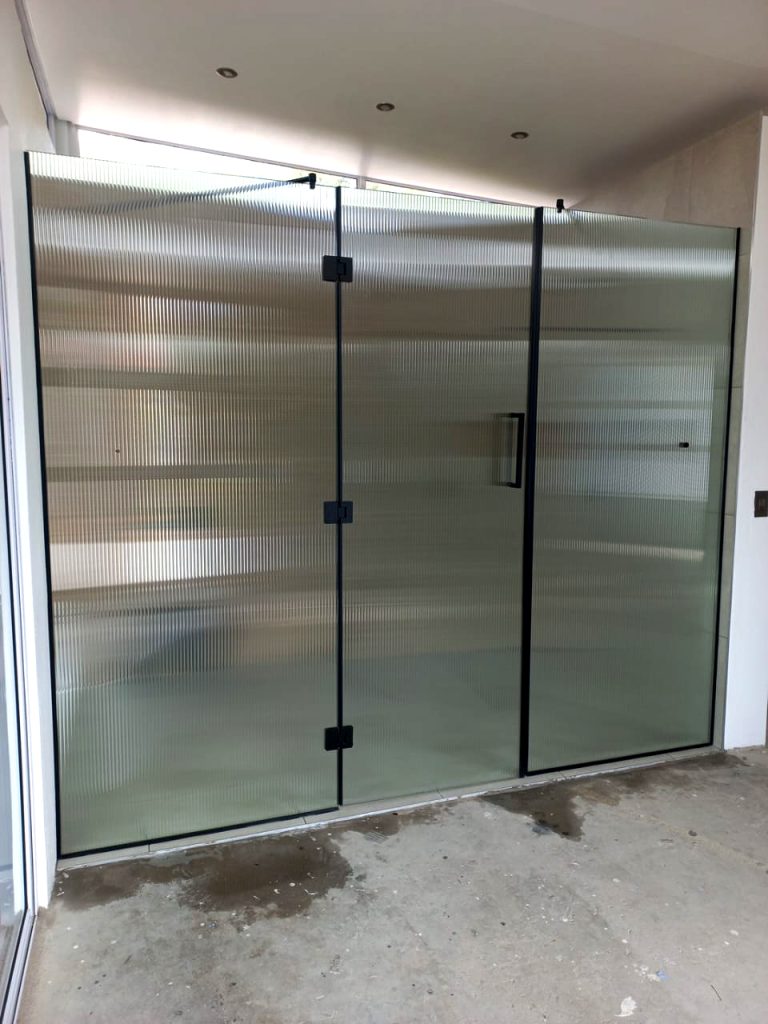
Frosted Window Film
Frosted window film is ideal when complete privacy is more important than maintaining a clear view through the glass.
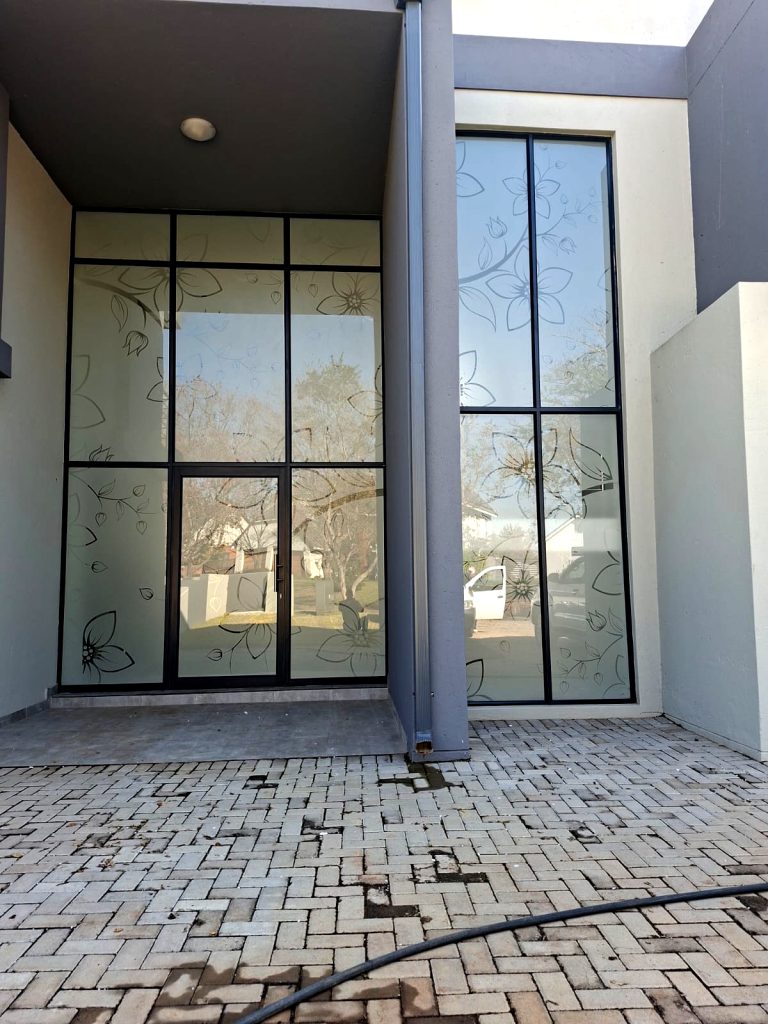
Instead of reflecting light, frosted film creates an elegant etched-glass appearance that allows natural light to pass through while obscuring visibility.
Popular applications include:
- Bathroom windows
- Shower enclosures
- Front door sidelights
- Stairwell windows
- Laundry rooms
- Internal glass doors
- Glass partitions
Many homeowners choose frosted film because it provides a clean, modern finish without the cost of replacing existing glass.
Decorative Window Film
Window film doesn’t always have to solve a technical problem. It can also become part of your home’s interior design.
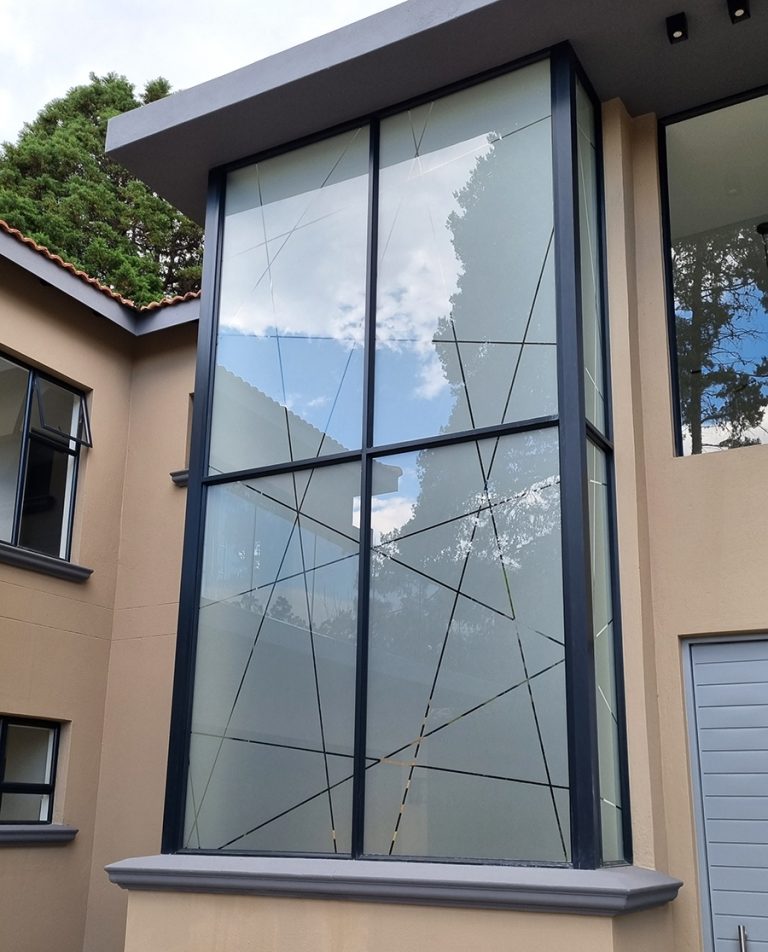
Decorative films are available in a wide range of patterns, textures and finishes that allow homeowners to personalise glass surfaces while adding varying levels of privacy.
Safety Window Film
Accidents happen, particularly in busy family homes.
Safety window film is designed to help hold broken glass together if a window is accidentally shattered. Rather than allowing shards of glass to scatter, the film helps keep the pieces bonded together, reducing the risk of injury.
This type of film is often considered for:
- Children’s play areas
- Glass doors
- Low-level windows
- Staircases
- Homes with large glass panels
While safety film improves the behaviour of broken glass, it’s important to understand that it doesn’t make glass unbreakable.
They are commonly used on:
- Entrance doors
- Feature windows
- Internal glass partitions
- Home offices
- Entertainment areas
- Kitchen splashback glass
- Cabinet glass
Decorative film offers a practical way to refresh existing glass without major renovations, making it an attractive option for homeowners looking to update their living spaces.
Which Window Film Is Best for Your Home?
There isn’t a single “best” window film for every property.
The ideal solution depends on several factors, including:
- The direction your windows face
- How much direct sunlight they receive
- The type of existing glass
- Whether your priority is heat reduction, privacy or security
- The look you want to achieve
- How each room is used throughout the day
For example, a west-facing family room may benefit most from solar control film, while a bathroom may simply require a frosted privacy film. A street-facing sliding door could be better suited to a security film, whereas a home office might need a combination of glare reduction and heat control.
The right recommendation should always be based on your home’s unique requirements rather than a standard solution applied to every project.

Which Rooms Benefit Most from Residential Window Film?
Every home is different, and not every room experiences the same level of heat, glare or privacy concerns. The direction your windows face, the amount of glass in each room and how the space is used all influence which type of window film will provide the greatest benefit.
Rather than applying the same solution throughout your home, it’s often more effective to choose a film based on the specific challenges of each room.
Living Rooms and Lounges
For many Gauteng homeowners, the lounge is the room that receives the most afternoon sun.
Large windows and sliding doors create bright, welcoming spaces, but they can also allow significant amounts of solar heat into the home. By late afternoon, the room may feel noticeably warmer than the rest of the house, leading to closed curtains or constant air conditioner use.
Solar control window film can help reduce heat and glare while allowing natural light to remain part of the room.
It’s an excellent option for homes with:
- Large stacking doors
- Floor-to-ceiling windows
- West-facing lounges
- Open-plan living areas
Bedrooms
A bedroom should be one of the most comfortable rooms in the house, yet many become excessively warm after a full day of sun exposure.
This is particularly noticeable in upstairs bedrooms or those with large east- or west-facing windows.
Window film can help create a more comfortable sleeping environment by reducing heat build-up during the day while also protecting curtains, carpets and furniture from long-term UV exposure.
Where privacy is also important, suitable privacy films may be worth considering depending on the location of the room.
Home Offices
Working from home has become increasingly common, but many home offices weren’t originally designed for full-day computer use.
Direct sunlight can create reflections on monitors, increase room temperature and make concentrating difficult.
Instead of closing blinds and working in a darker room, glare-reducing window film helps maintain natural daylight while making screens easier to see.
For many homeowners, this creates a more comfortable and productive workspace.
Kitchens
Kitchens often receive significant sunlight, particularly in open-plan homes where large windows overlook patios or gardens.
While natural light is welcome, prolonged sun exposure can increase indoor temperatures and make cooking less comfortable during the warmer months.
Solar control film helps reduce heat entering through the glass without dramatically changing the appearance of the kitchen.
Bathrooms
Bathrooms require a different approach.
Here, privacy is usually more important than heat reduction.
Frosted window film provides an elegant solution by allowing daylight into the room while preventing clear visibility through the glass.
It offers many of the benefits of obscure glass without the expense of replacing existing windows.
Dining Rooms
Dining rooms often feature large windows overlooking gardens or entertainment areas.
Depending on the orientation of the home, these windows may create glare during family meals or allow excessive afternoon heat into the room.
Solar control film helps maintain the bright, open feel of the space while making it more comfortable throughout the day.
Children’s Bedrooms and Playrooms
Parents often focus on comfort and safety when choosing improvements for children’s spaces.
Reducing excessive heat helps create a more comfortable environment, while UV protection assists in preserving furniture, flooring and soft furnishings.
Where appropriate, safety window film may also provide additional peace of mind on larger glass panels.
How to Know If Your Home Would Benefit from Window Film
Not every homeowner immediately recognises when window film could make a difference.
If you regularly experience any of the following, it’s worth considering a professional assessment:
- Certain rooms are much hotter than others.
- You close curtains to block the afternoon sun.
- Your furniture or flooring has started to fade.
- Computer screens are difficult to see because of glare.
- You feel exposed through large windows.
- Your bathroom needs more privacy.
- Your air conditioner runs constantly during summer.
- Large areas of glass make parts of your home uncomfortable.
Many of these issues have practical solutions, but choosing the right film depends on your home’s design, window orientation and the outcome you’re trying to achieve.
Frequently Asked Questions About Choosing Window Film
Can I install different window films in different rooms?
Yes. Many homeowners choose different products depending on each room’s purpose. For example, solar control film may be used in living areas, while frosted film is installed in bathrooms.
Will window film make my home dark?
Not necessarily. Many modern architectural films are designed to reduce heat while maintaining a bright, natural appearance.
Do all windows need window film?
No. A professional assessment will identify which windows would benefit most based on sunlight, orientation and how each room is used.
What to Expect During a Residential Window Film Installation
One of the first questions homeowners ask is, “Will installing window film disrupt my home?”
The good news is that professional window film installation is generally straightforward and far less disruptive than replacing windows or undertaking major renovations. The process is designed to improve the performance of your existing glass, meaning there’s no need to remove window frames or replace the glazing.
While every home is different, understanding what to expect can help you feel confident before installation begins.
Step 1: Assessing Your Home
Every successful installation starts with understanding your home, not choosing a product from a catalogue.
A professional assessment typically considers:
- Which rooms become hottest during the day
- The direction each window faces
- The type and condition of the existing glass
- Your privacy requirements
- Areas affected by glare
- The overall appearance you want to maintain
Rather than recommending the same film for every property, the goal is to match the right solution to each window and each room.
Step 2: Selecting the Right Window Film
Once your requirements have been identified, the most suitable film can be selected.
For example:
- A west-facing lounge may benefit from a high-performance solar control film.
- A bathroom may require a frosted privacy film.
- A home office might need glare reduction while maintaining natural daylight.
- Large sliding doors could benefit from additional safety or security performance.
Choosing the correct film at the beginning is one of the most important parts of the entire project.
Step 3: Preparing the Glass
Before any film is applied, the glass must be thoroughly cleaned.
Even tiny particles of dust, dirt or residue can affect the finished result, which is why careful preparation is essential.
Professional installers use specialised tools and cleaning techniques to ensure the surface is ready for application.
Although the cleaning process may seem simple, it plays a significant role in achieving a smooth, long-lasting finish.
Step 4: Applying the Window Film
The film is carefully measured, positioned and applied directly to the glass using specialised installation techniques.
During installation, a professional installer removes application fluid and air from beneath the film to create a smooth, even finish.
Immediately after installation, it’s normal to notice a slight hazy appearance or small pockets of moisture beneath the film. These are a natural part of the curing process and gradually disappear as the film settles.
Step 5: Allowing the Film to Cure
Unlike paint, window film doesn’t dry instantly.
The adhesive requires time to cure properly, and the exact curing period depends on factors such as temperature, humidity and the amount of sunlight the windows receive.
During this time, it’s generally recommended that homeowners avoid cleaning the treated windows or disturbing the film.
As curing progresses, the appearance becomes clearer and the film reaches its intended performance.
Caring for Your Window Film
Residential window film is designed to provide years of reliable performance, but like any surface in your home, it benefits from proper care.
Fortunately, maintenance is simple.
Wait Before Cleaning
After installation, allow the recommended curing period to pass before cleaning the windows. This gives the adhesive sufficient time to bond fully to the glass.
Your installer will advise you on the appropriate waiting period based on the film installed and the prevailing weather conditions.
Use the Right Cleaning Products
For routine cleaning:
- Use a soft microfibre cloth.
- A non-abrasive window cleaner is generally suitable.
- Avoid harsh chemicals or abrasive pads that could scratch the film.
Keeping the film clean helps maintain its appearance and allows you to enjoy clear views for years to come.
Inspect Your Windows Periodically
While high-quality window film is built for long-term durability, it’s worth checking your windows occasionally for signs of accidental damage or wear.
If you notice anything unusual, contact your installer rather than attempting repairs yourself.
How Long Does Residential Window Film Last?
This is one of the questions homeowners ask most often, and the answer depends on several factors.
The lifespan of residential window film can vary based on:
- The quality of the film.
- The quality of the installation.
- The orientation of the windows.
- The amount of direct sun exposure.
- Ongoing maintenance.
Premium architectural window films are designed for long-term performance and, when professionally installed, can continue to perform effectively for many years.
Choosing a reputable installer and a high-quality product is often the biggest factor in achieving long-lasting results.
Common Myths About Residential Window Film
Like many home improvement products, window film is surrounded by misconceptions.
Let’s look at some of the most common ones.
Myth 1: Window Film Makes Your Home Dark
Not true.
Modern architectural films are available in a wide range of finishes, including options that are almost invisible while still providing excellent solar performance.
The aim is to improve comfort without making your home feel closed in.
Myth 2: Window Film Is Only for Old Houses
Window film is suitable for both older and newer homes.
In fact, many contemporary homes with large glass areas benefit significantly from solar control film because of the amount of sunlight entering through expansive glazing.
Myth 3: All Window Films Are the Same
There are significant differences between products.
Films vary in their ability to reduce heat, block UV rays, provide privacy, improve safety and maintain optical clarity.
Selecting the right product is more important than simply choosing the darkest film.
Myth 4: Installing Window Film Means Replacing Your Windows
One of the biggest advantages of residential window film is that it improves the performance of your existing glass.
In most cases, there is no need to replace windows to enjoy better comfort, improved privacy or enhanced UV protection.
Frequently Asked Questions About Residential Window Film
Does residential window film really reduce heat?
Yes. High-quality solar control window film is designed to reduce the amount of solar heat entering through your windows. While it won’t eliminate heat completely, it can make rooms noticeably more comfortable, particularly those exposed to direct afternoon sun.
Will window film make my house darker?
Not necessarily. Modern residential window films are available in a range of finishes, including options that remain remarkably clear while still helping to reduce heat and glare. The right film depends on the balance between comfort, natural light and appearance that you’re looking to achieve.
Can window film help lower electricity costs?
By reducing the amount of heat entering your home, window film can reduce the need for air conditioning in some situations. The level of benefit will depend on your home’s design, the amount of glass, insulation and how cooling systems are used.
Does window film stop furniture from fading?
Window film blocks the vast majority of harmful UV rays, which are one of the leading causes of fading. While no product can completely prevent natural ageing, reducing UV exposure helps protect flooring, furniture, artwork and fabrics over time.
How long does residential window film last?
The lifespan depends on the type of film, the quality of the installation, sun exposure and ongoing care. Premium architectural window films are designed to provide many years of reliable performance when professionally installed.
Can window film be installed on existing windows?
Yes. In most homes, window film is applied directly to your existing glass, making it a practical alternative to replacing windows.
Does window film work on double-glazed windows?
Some films are suitable for double glazing, while others are not. The correct product depends on the type of glass and its specifications. A professional assessment ensures compatibility and performance.
Is window film difficult to maintain?
No. Once fully cured, window film requires only normal cleaning with appropriate non-abrasive products and a soft cloth.
Can I install window film myself?
DIY products are available, but professional installation generally provides a far better finish, longer lifespan and access to higher-performance architectural films that aren’t typically available in retail stores.
Does privacy window film work at night?
This depends on the type of film. Reflective films often provide excellent daytime privacy but become less effective after dark when interior lights are on. If nighttime privacy is important, your installer can recommend a more suitable solution.
Is residential window film worth it?
For many homeowners, yes. If your home suffers from excessive heat, glare, fading or privacy concerns, professionally installed window film can provide long-term improvements without replacing your existing windows.
Why Homeowners Across Gauteng Choose Tintd
Every home presents different challenges.
A west-facing lounge in Sandton may require a very different solution to a bathroom in Centurion or a home office in Midrand. That’s why we don’t believe in recommending the same film for every project.
At Tintd, we take the time to understand how your home is affected by sunlight, how each room is used and what you want to achieve before recommending a solution.
Whether your priority is improving comfort, reducing glare, increasing privacy or protecting your interior from UV exposure, our goal is to recommend the most appropriate architectural window film for your home—not simply the darkest or most expensive option.
Professional installation, attention to detail and honest advice are central to every project we undertake.
Ready to Make Your Home More Comfortable?
If you’re considering residential window film for your home, the best place to start is with a professional assessment.
Every property is different, and the most effective solution depends on factors such as window orientation, the type of glass, the amount of direct sunlight and your privacy requirements.
The Tintd team can assess your home’s specific needs, explain the available options and recommend a window film that suits both your property and the way you live.
Whether you’re looking to reduce heat, minimise glare, improve privacy or protect your home’s interior from UV damage, we’re here to help you make an informed decision.